
Cambodia sees dengue surge 81% in 2026
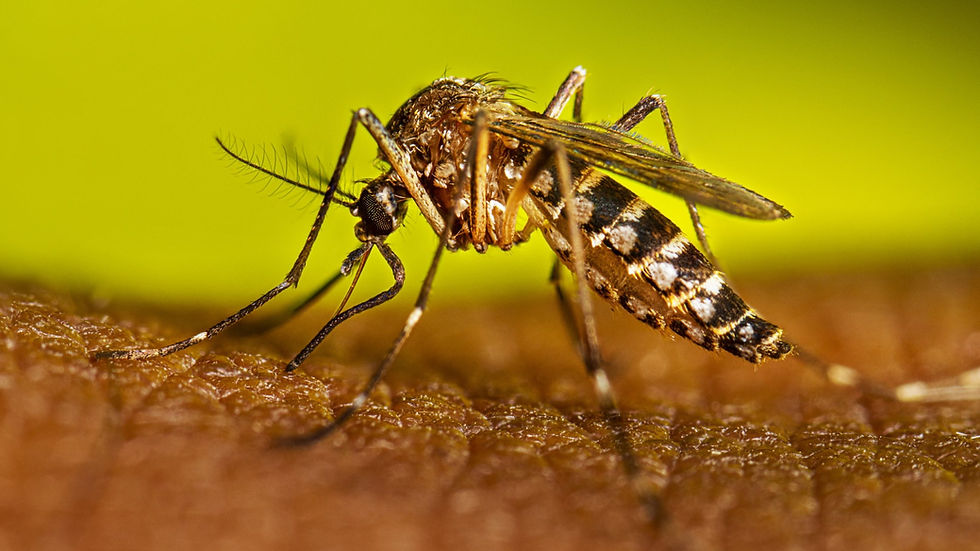
According to the World Health Organization's Western Pacific dengue update published on 20 August, Cambodia has seen reported dengue cases surge by 81% by 2 August 2026.
Cambodia is experiencing a substantial resurgence of dengue fever in 2026, with infections running well above last year's levels, and health authorities maintaining heightened surveillance during the rainy season. The increase is particularly relevant to tourists and visitors because dengue is already one of the most important mosquito-borne diseases affecting travellers in Cambodia, and transmission can occur in major tourist centres such as Siem Reap as well as rural areas.
According to the World Health Organization's Western Pacific dengue update published on 20 August, Cambodia had recorded 54,697 dengue cases and 72 deaths by 2 August 2026. This was an 81.1% increase on the 30,200 cases recorded during the equivalent period of 2025. The national weekly case count had remained above Cambodia's epidemic threshold for much of 2026, rising sharply from around epidemiological week 24 before beginning to decline in early August. This decline should not yet be interpreted as the end of the outbreak, however. Cambodia's Ministry of Health CamEWARN surveillance report for 17–23 August showed suspected dengue cases increasing again compared with the previous week and remaining above the alert threshold. Rapid-response teams were continuing to monitor the situation.
Is dengue becoming more frequent or more severe?
Unfortunately, there is good evidence that Cambodia's dengue burden has increased over the longer term, although the pattern is cyclical rather than a simple year-by-year rise. A national analysis covering 2002–2020 identified 353,270 reported cases and major epidemic years in 2007, 2012 and 2019. The 2019 epidemic produced 68,597 reported cases, the country's largest recorded outbreak during that study period.
The evidence that dengue itself is becoming more severe is less clear. Cambodia has become considerably better at preventing deaths from severe dengue than during earlier epidemics. The 2007 outbreak, for example, caused 396 deaths from 39,618 cases, while 2019 recorded only 48 deaths from 68,597 cases. Cambodia's current 2026 case-fatality rate is around 0.1%.
The more immediate problem is therefore the scale of transmission and pressure on hospitals, rather than firm evidence that a newly more virulent form of dengue is circulating.
Is Siem Reap particularly affected by dengue?
Long-term surveillance research has identified Siem Reap and Phnom Penh as having among the highest average dengue incidence rates in Cambodia, with Siem Reap recording approximately three cases per 1,000 person-years over the 2002–2020 study period.
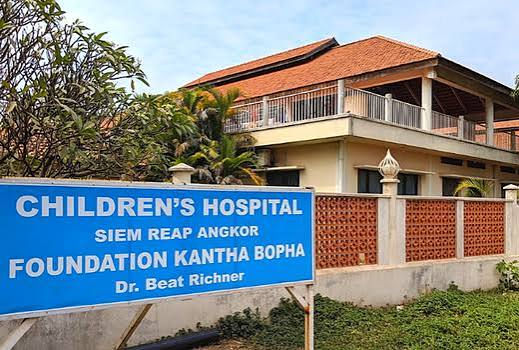
The issue is particularly evident among children in Siem Reap. Conditions became particularly serious during July and August this year, which, according to reporting by Khmer-language CamboJA citing hospital and health officials, saw Jayavarman VII Hospital in Siem Reap treating more than 300 dengue patients by 6 August, as part of an inpatient population of around 1,800, despite having only approximately 1,100 beds. The hospital, part of the Kantha Bopha children's hospital network, had earlier appealed for additional blood donations because of the increase in seriously ill paediatric dengue patients.
Cambodia's Health Minister has subsequently visited Jayavarman VII Hospital and directed national and provincial dengue-control teams to intensify prevention, public information and measures aimed at interrupting transmission.
The outbreak is not confined to Siem Reap province. Preah Vihear Province had recorded 914 cases by epidemiological week 28, with sharp increases in Preah Vihear city and the districts of Choam Ksan, Rovieng and Chey Saen. Choam Ksan alone had recorded around 500 laboratory-confirmed infections during the first seven months of the year.
Koh Kong province has also reported more than 300 cases between April and the end of June — roughly twice the corresponding 2025 figure — while Mondulkiri had recorded 269 cases by 24 June, many involving children and younger people.
More recently, on 30 August, Stung Treng health authorities launched an intensified dengue-control campaign following another rise in its cases. The province had recorded 733 cases between January and 30 August, including 203 in Stung Treng city and 201 in Sesan district.
These provincial figures indicate that travellers should not regard dengue as primarily a Phnom Penh problem. It can be significant in provincial towns and major tourist destinations, including Siem Reap.
How serious is the danger for foreign visitors?
For most visitors, dengue is a risk that requires precautions rather than a reason to avoid visiting Cambodia. The US Centers for Disease Control and Prevention currently places dengue under its “Level 1 – Practice Usual Precautions” travel guidance. Nevertheless, the CDC describes dengue as the mosquito-borne viral infection travellers are most likely to acquire in Cambodia. Transmission occurs throughout the year but is generally greatest during the rainy season, approximately May to October.
The risk obviously increases for people spending long periods in Cambodia and those travelling during an active outbreak. Visitors staying in ordinary urban accommodation can be exposed because Aedes aegypti, the main mosquito carrier, thrives around homes, hotels, shops and other built-up areas, rather than being restricted to forests or remote countryside.
Particular care is warranted for young children, pregnant women and older people, whom WHO identifies as being at greater risk of severe disease. People who have previously had dengue also need to be especially careful: infection with a different dengue serotype on a subsequent occasion is associated with an increased risk of severe dengue.
Families travelling with young children should therefore regard mosquito prevention as an important daily health precaution rather than something required only when trekking or visiting rural Cambodia.
Vaccines
Vaccination advice currently varies between countries. French 2026 travel-health recommendations allow the Qdenga vaccine for certain travellers aged six and over, particularly those travelling to an epidemic area or spending more than a month in an endemic area. Two doses are normally required three months apart. US guidance differs, however, because Qdenga is not FDA-approved for travellers in the United States. Both governments’ advice for Cambodia stress that dengue occurs in the country, recommend taking rigorous protection against mosquito bites, and recommends immediate medical consultation when symptoms occur. Travellers considering vaccination, therefore, should consult a travel-medicine specialist and follow the recommendations applicable in their home country rather than assuming that one international rule applies.
Reducing the risk of catching dengue
Dengue mosquitoes commonly bite during the daytime, although bites can also occur at night. Effective precautions include using a mosquito repellent containing recognised active ingredients such as DEET, picaridin/icaridin or IR3535, wearing long trousers and long-sleeved clothing where practical, and choosing rooms with effective window screens or air-conditioning. Mosquito nets provide additional protection, particularly for babies, children sleeping during the day and accommodation without good screening.
Removing breeding sites is also important. Aedes mosquitoes can reproduce in surprisingly small quantities of stagnant water. Cambodia's Ministry of Health has repeatedly urged households and businesses to empty, cover or clean water containers at least weekly, while removing water accumulated in discarded containers, flower pots, tyres and similar objects.
For visitors staying in private villas or longer-term accommodation, checking balconies, gardens and outdoor containers can therefore make a practical difference. Government fogging and larvicide programmes form part of Cambodia's outbreak response, but personal protection against bites remains essential.
Symptoms and what to do if dengue is suspected
Many dengue infections produce no symptoms or only mild illness. When symptoms do occur, they typically begin four to ten days after infection and commonly include a sudden high fever, severe headache, pain behind the eyes, muscle and joint pains, nausea, vomiting, swollen glands and a rash.
Cambodia's Ministry of Health has advised anyone developing a sudden fever of around 39–40°C to seek medical attention promptly, preferably within 48 hours, rather than attempting to treat the illness themselves.
Visitors should drink plenty of fluids and seek professional medical assessment. Aspirin and non-steroidal anti-inflammatory medicines such as ibuprofen should be avoided when dengue is possible because they can increase the risk of bleeding. Paracetamol is generally used for fever and pain, subject to normal medical precautions.
One of dengue's more dangerous characteristics is that severe symptoms may develop as the fever begins to disappear. Warning signs include severe abdominal pain, persistent vomiting, bleeding from the nose or gums, blood in vomit or stools, rapid breathing, extreme weakness or restlessness, pale or cold skin and intense thirst. Anyone developing these symptoms requires urgent hospital assessment.
Hospitals equipped in Siem Reap to help foreigners with dengue
The Royal Angkor International Hospital is set up to handle adult foreign visitors with suspected severe dengue in Siem Reap. It has a 24-hour emergency department, ICU and CCU, on-site laboratory and blood bank, imaging and operating facilities. It also has an ambulance service and can arrange medical evacuation to Bangkok or elsewhere if treatment beyond Siem Reap is required. Those facilities are particularly relevant to severe dengue because patients can deteriorate rapidly and may require carefully controlled IV fluids, frequent blood counts/haematocrit testing and, in some cases, blood products. royalangkorhospital.com
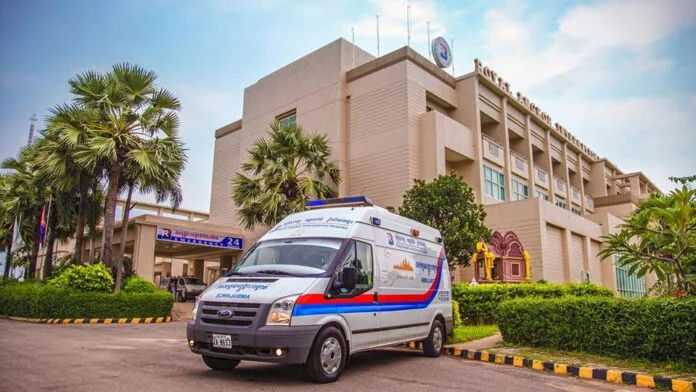
For a foreign traveller, another advantage is that Royal Angkor was specifically established to serve international travellers and expatriates and is part of the Bangkok Dusit Medical Services network. This can make communication, insurance administration and any eventual transfer to Thailand considerably easier. Neak Tep Hospital and Angkor Japan Friendship International Hospital are other hospitals good for an adult, especially if they is significantly closer to the patient.
For a child, the choice is different as in serious dengue cases specialist paediatric hospitals become particularly important. Jayavarman VII Hospital (Kantha Bophais arguably Siem Reap's most experienced centre for severe paediatric dengue.
Will climate change make Cambodia's dengue problem worse?
The scientific evidence suggests that dengue is likely to remain an important — and potentially increasing — travel-health problem in Cambodia, although future outbreaks will not necessarily increase steadily every year. Cambodian research has already found strong associations between dengue transmission and temperature, rainfall and humidity. Research covering Siem Reap, Banteay Meanchey and Kampong Thom found that warmer temperatures several months earlier were associated with substantial increases in subsequent dengue cases, while rainfall was also positively associated with transmission in Siem Reap.
A broader study covering Cambodia from 2002–2019 found rising temperatures across the country's provinces and positive relationships between dengue transmission, temperature and precipitation. Significantly, however, incidence also increased after researchers adjusted for climate, showing that urbanisation, population movements, changing immunity, mosquito ecology and circulating dengue serotypes also matter.
More recent Cambodian research published in July 2026 found that Aedes aegypti mosquitoes were particularly abundant in urban and wetland landscapes and that mosquito abundance was positively associated with dengue incidence. Temperature and humidity were important influences on mosquito populations.
This fits the broader WHO assessment that warmer conditions, extreme weather, rapid urbanisation and increased human mobility are expanding dengue's geographical range and increasing transmission opportunities internationally.
It would nevertheless be misleading to claim that climate change means every future Cambodian dengue season will necessarily be worse than the previous one. Dengue epidemics depend heavily on population immunity and which of the four dengue serotypes are circulating. Some long-range modelling even suggests that incidence in parts of Southeast Asia could eventually peak and decline later in the century as economic, demographic and climatic factors interact.
For visitors planning travel over the next several years, the more practical conclusion is that dengue is likely to remain a significant and sometimes severe recurring risk in Cambodia, including Siem Reap, with major epidemic years continuing to occur.
Recent developments reinforce that conclusion. In the space of only a few weeks, WHO confirmed Cambodia's 81% year-on-year increase, Siem Reap's principal children's hospital faced hundreds of dengue admissions, national surveillance remained above the alert threshold in late August, and Stung Treng launched an intensified response on 30 August.
Meanwhile, researchers at the Institut Pasteur du Cambodge reported new findings on 7 August concerning the antibody responses associated with symptomatic and severe dengue, work which may eventually help improve vaccine design and understanding of why some infections progress more seriously than others.
For tourists, the message is therefore not that Cambodia has become unsafe to visit, but that dengue prevention should now be treated as a routine part of travel preparation and everyday behaviour, especially during the rainy season and for families travelling with children.
News Team
Comments